5 Minutes: Turning Surroundings into Data

The task: document and visualise the environment within a five-minute walking radius, translating everyday surroundings into data.

I explored how subjective impressions (noise, greenery, building façades) could be made tangible through mapping and interactive media, highlighting the role of design in shaping how we perceive place.

New Design University, St. Pölten / 2018

Data Visualisation
Problem

  • Cities are complex: traffic, greenery, sound, and architecture are usually experienced separately.

  • Traditional maps flatten these aspects, losing the lived, multi-sensory character of place.

  • The challenge: how to collect, structure, and communicate environmental data in a way that conveys both factual information and subjective atmosphere.

Solution

  • Collected three layers of data: green space (parks, trees, cafés), traffic (soundscapes), and buildings (façade colours)

  • Developed a set of thematic maps that can be read individually or combined into one holistic map.

  • Used p5.js for interaction: hovering over locations triggered sounds and contextual information, making the map multi-sensory.

Results

  • Produced four interconnected maps (with one being interactive) that visualises urban surroundings from multiple perspectives.

  • Showed how design can bridge data and perception, turning raw measurements into a narrative about place.

  • The combined “Five Minutes” map demonstrated that the city’s character only emerges when different layers of experience are brought together.
Context & Challenge

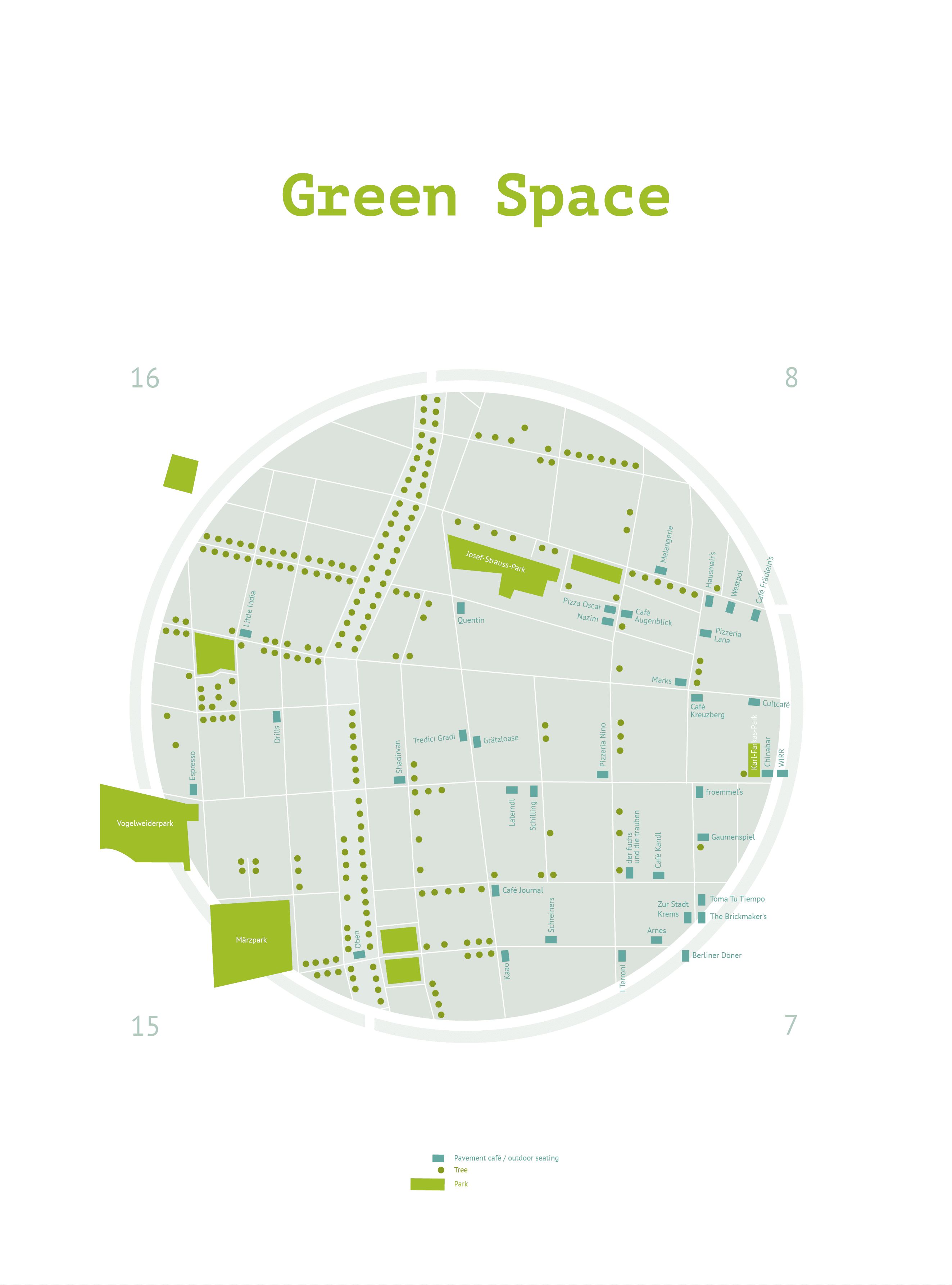
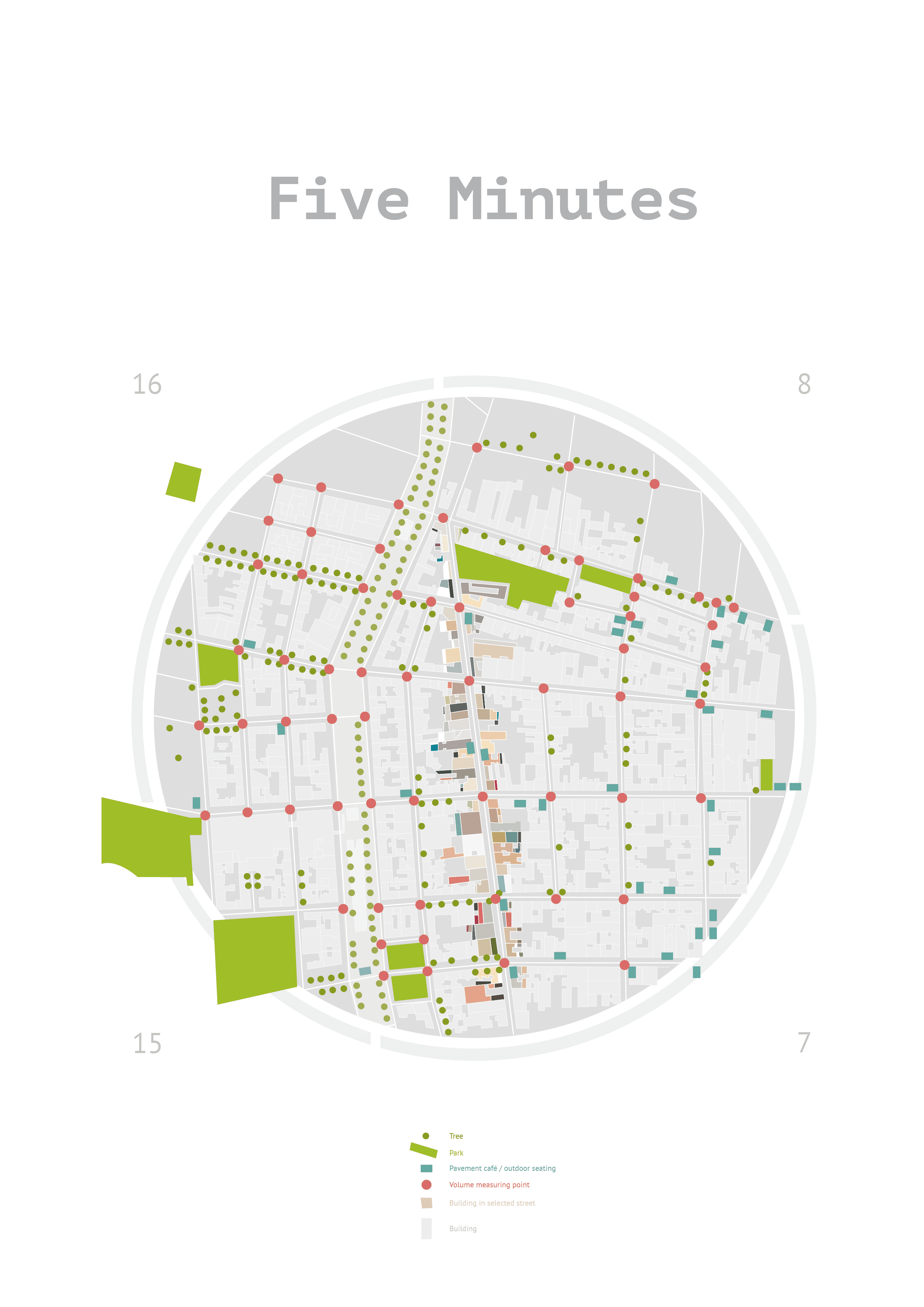
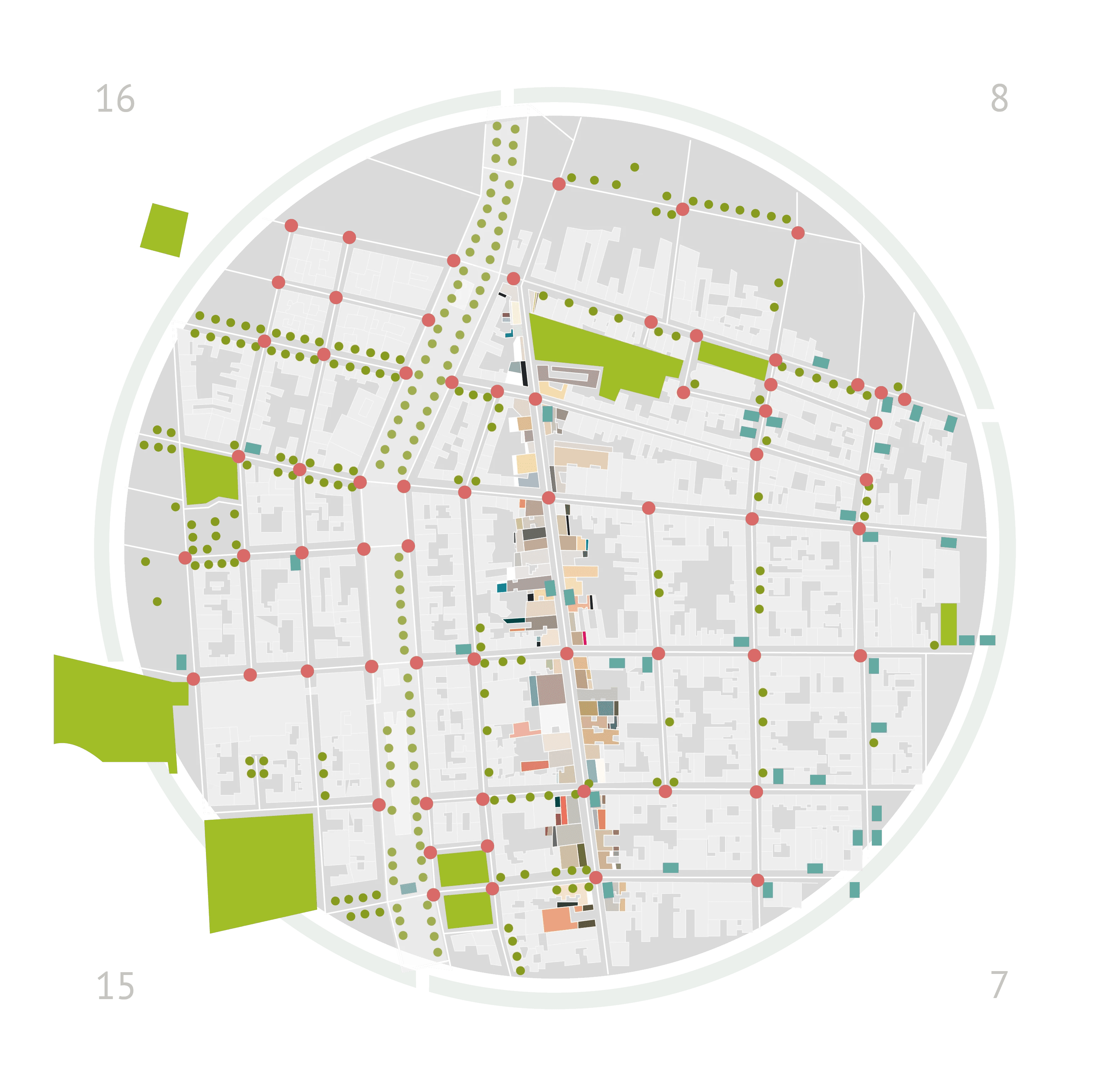
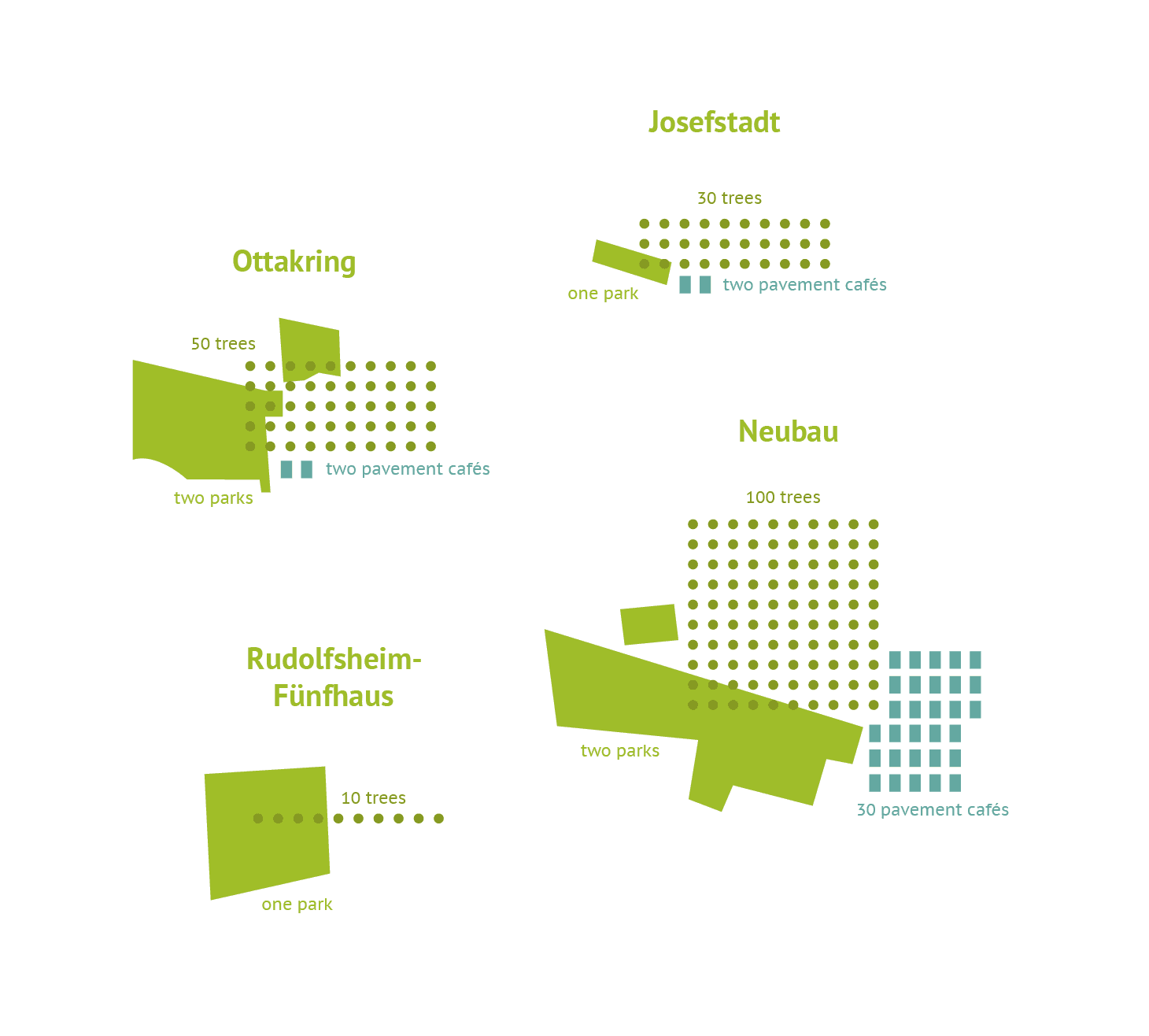
For the green space, I mapped Vienna's parks, trees and iconic Schanigärten (cafés with small terraces on the street), combining natural and man-made green areas. This layer captured how greenery and leisure culture shape the softer, more social aspects of urban life.

Many first-time users of MeisterTask didn’t understand Kanban. They were used to to-do lists, and struggled to translate their mental model into columns and cards. This caused drop-off before users hit activation milestones.

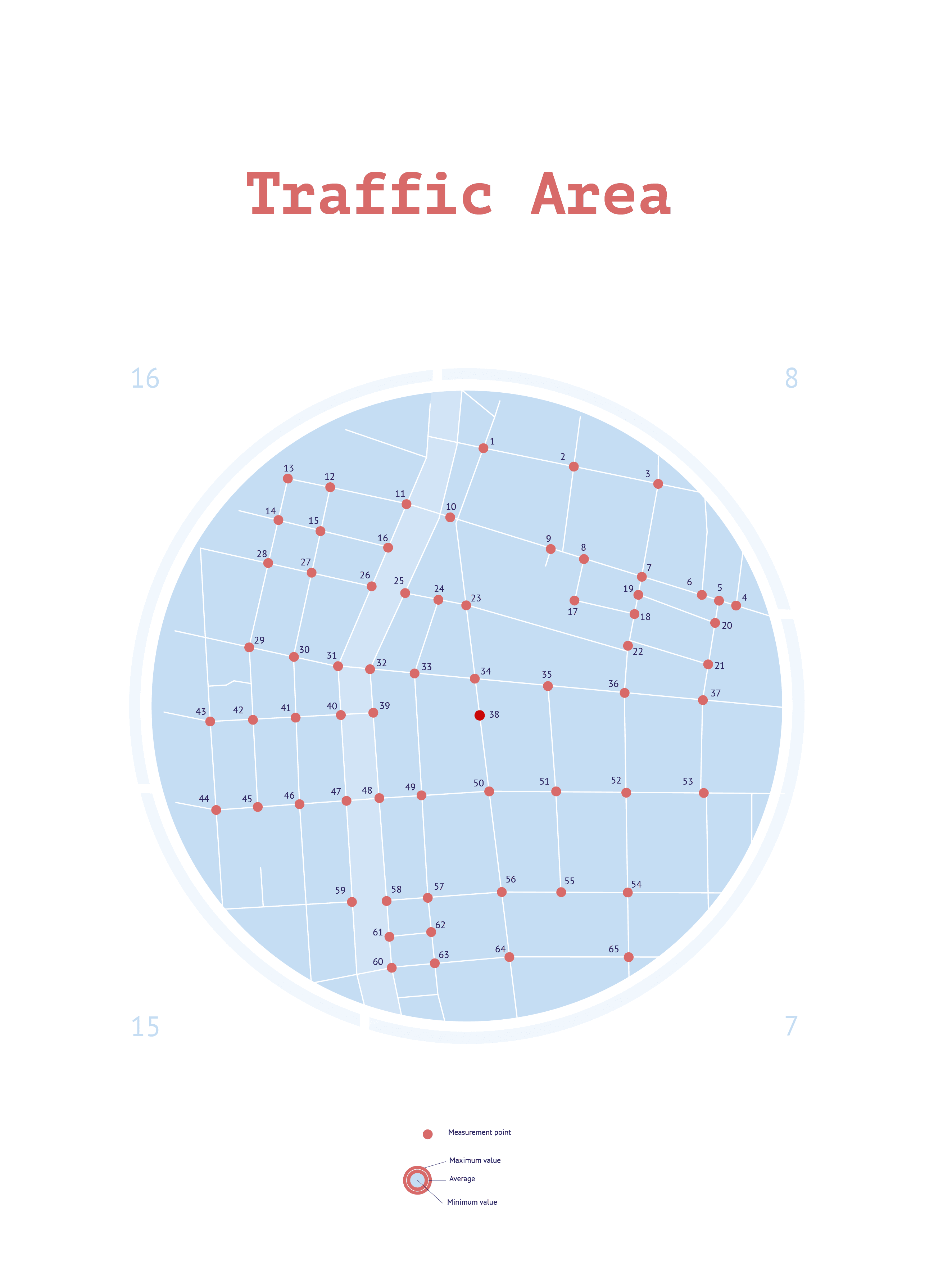
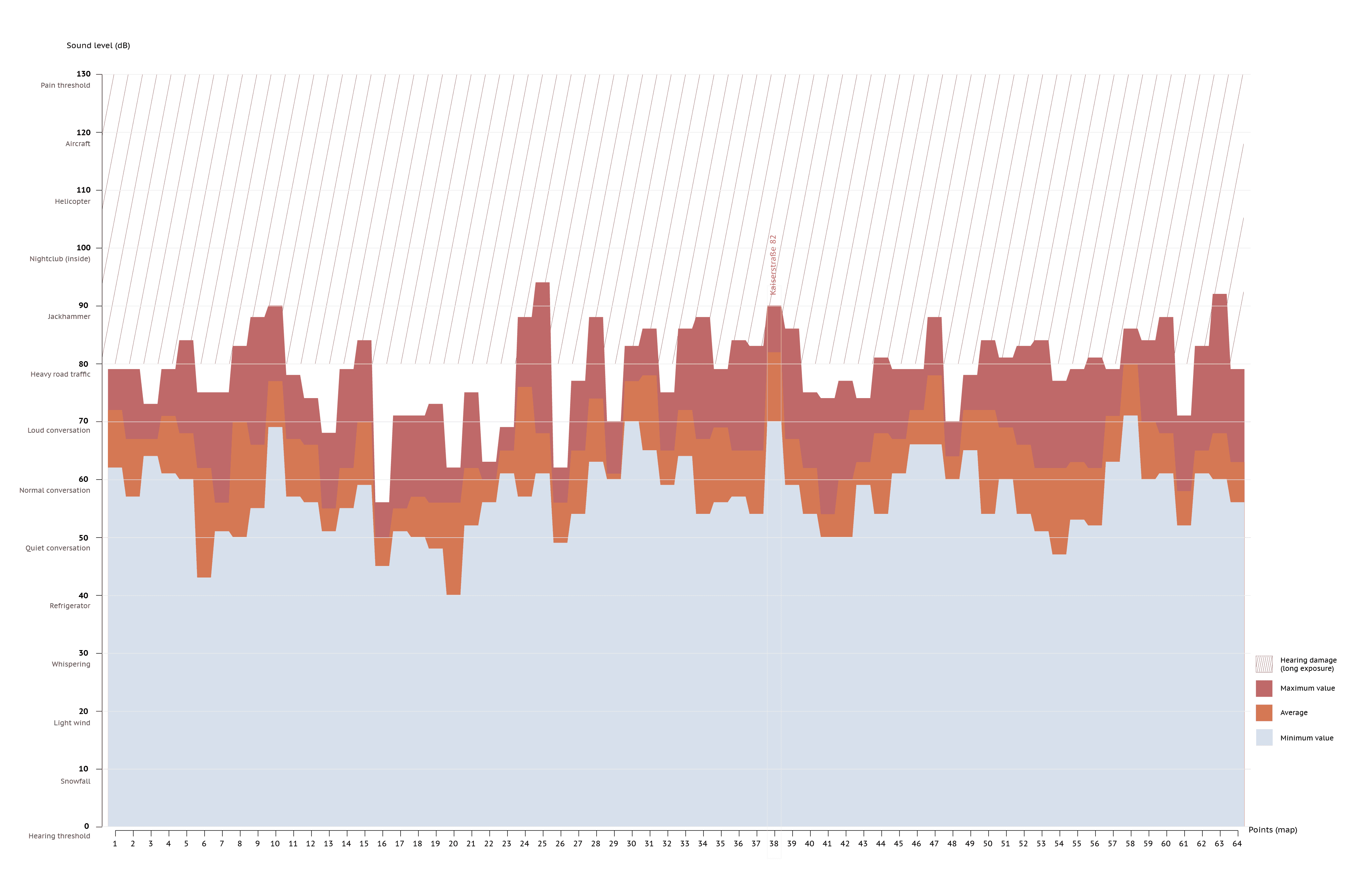
I recorded one-minute long sound samples at every junction and connected them to a map using p5.js. This layer revealed the city’s rhythm and intensity, making traffic noise part of the urban identity rather than background.

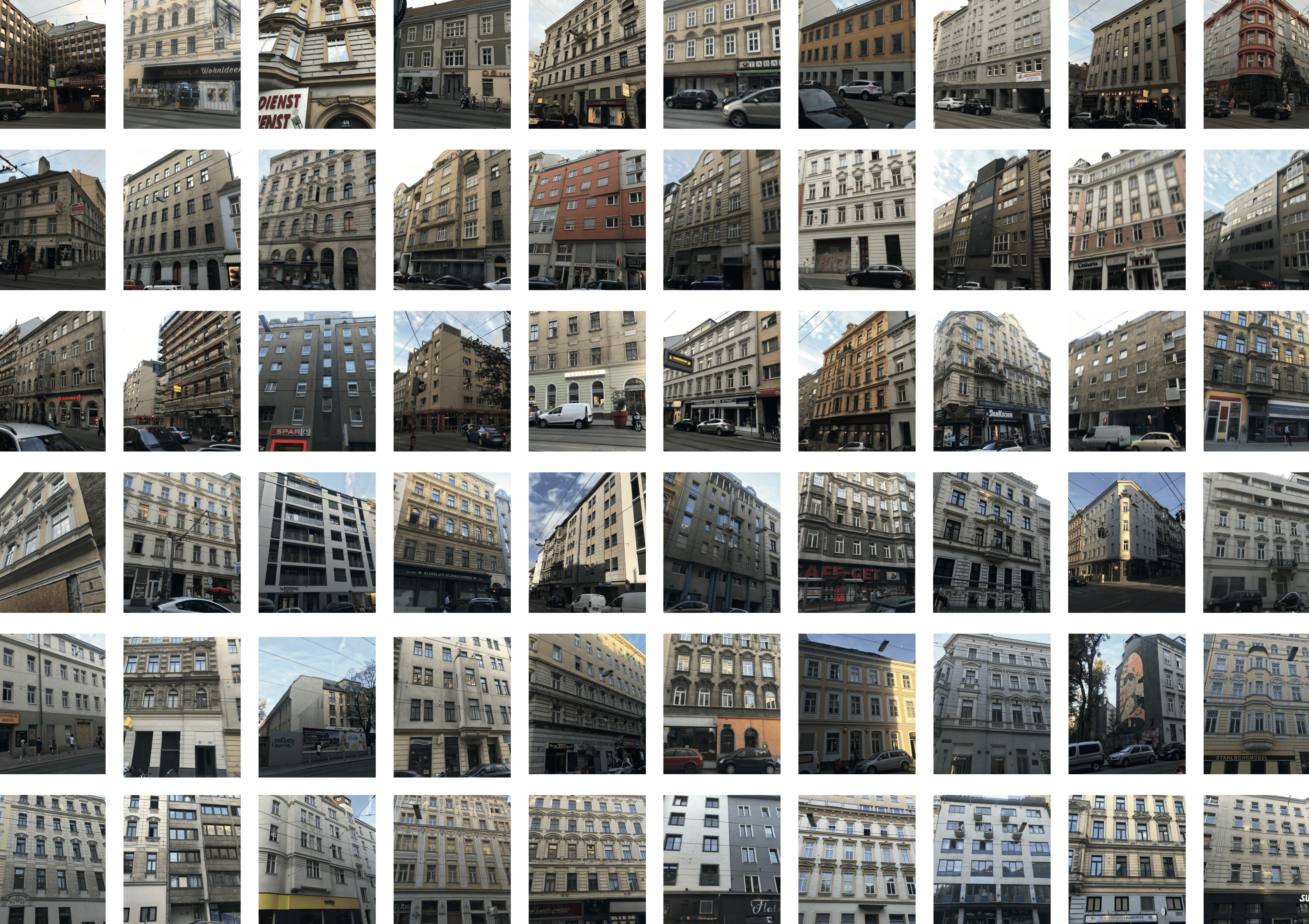
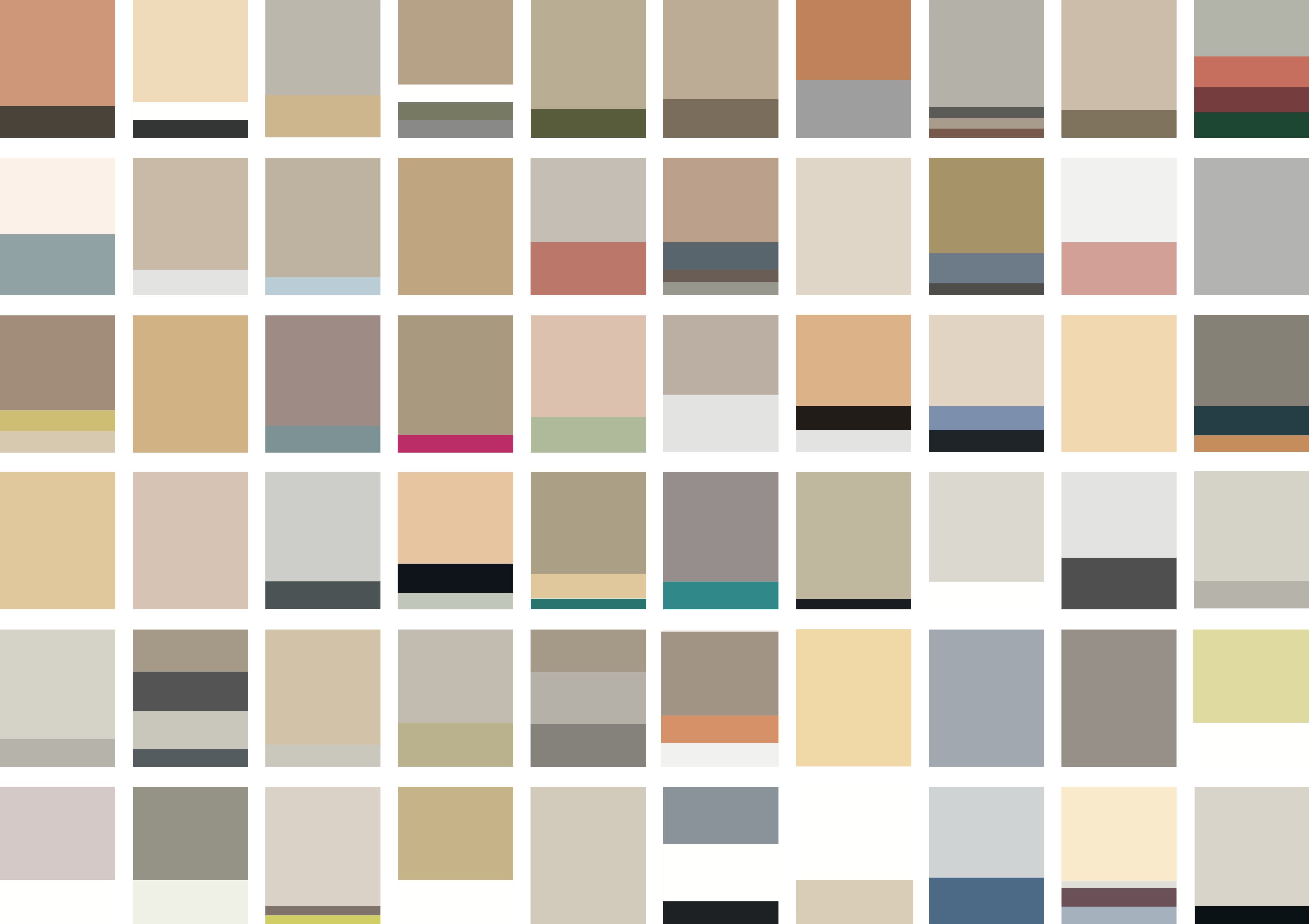
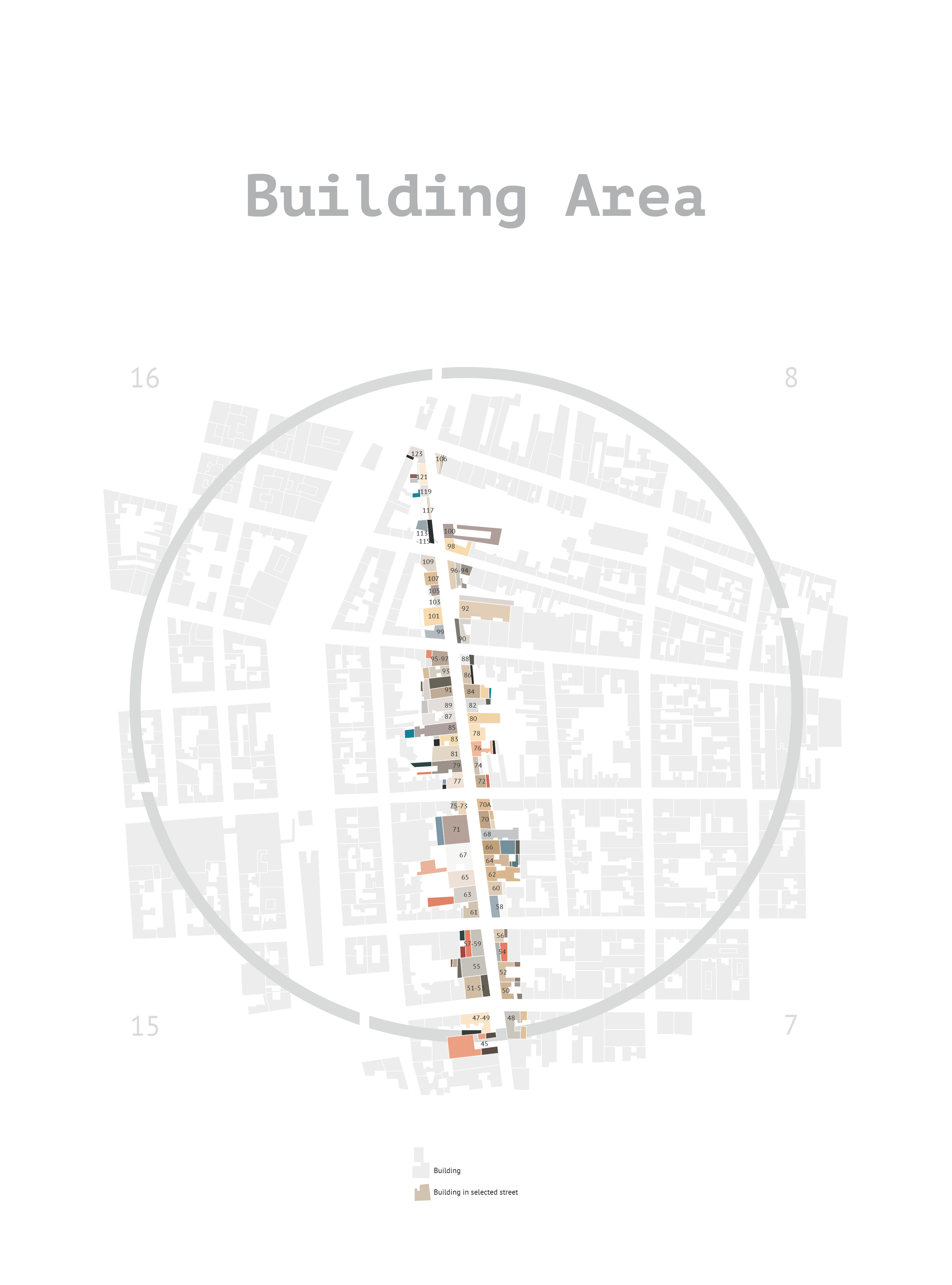
I photographed façades along the streets and categorised them by dominant colours. This exposed the visual character of the neighbourhood — the tones and textures that define how the city feels at first glance.


Many first-time users of MeisterTask didn’t understand Kanban. They were used to to-do lists, and struggled to translate their mental model into columns and cards. This caused drop-off before users hit activation milestones.

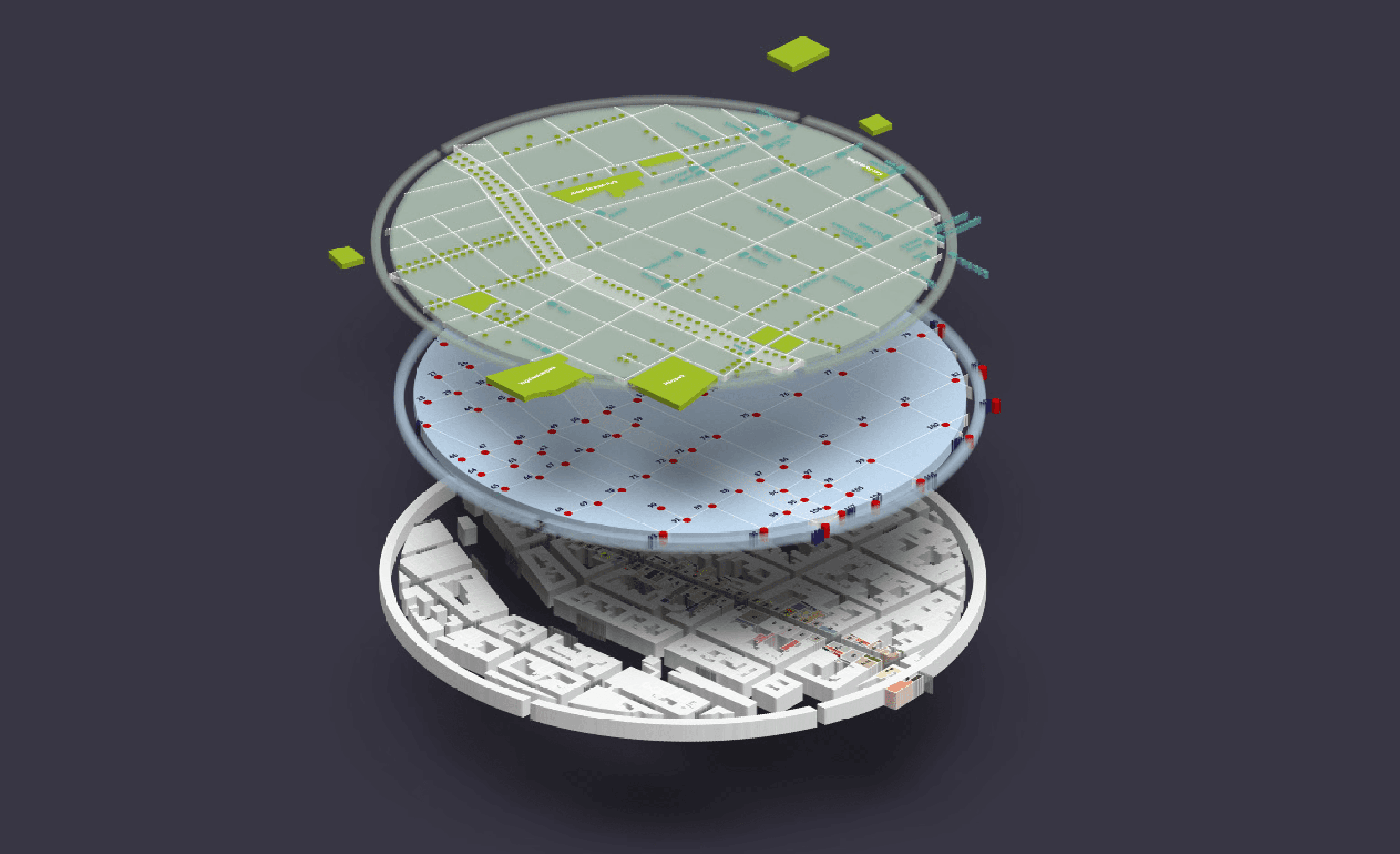
By overlaying green space, traffic, and buildings, I created a holistic map that revealed the city’s true character. The project showed that one layer alone cannot truly portray a city — only when combined does the full urban atmosphere emerge.

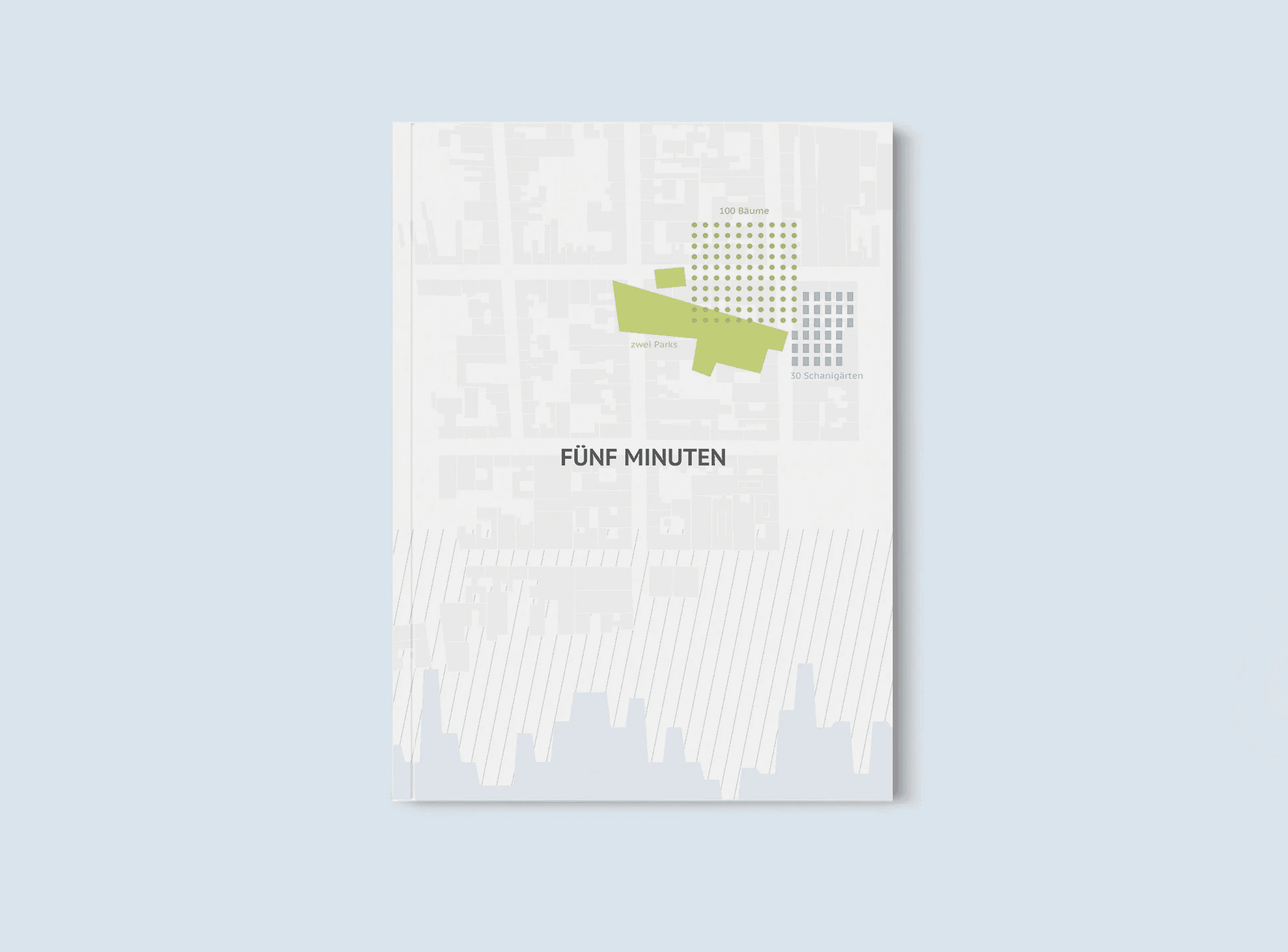
The final project was presented as a mini magazine featuring four fold-out maps. The brochure served as a physical takeaway, making the project accessible beyond the screen.

Many first-time users of MeisterTask didn’t understand Kanban. They were used to to-do lists, and struggled to translate their mental model into columns and cards. This caused drop-off before users hit activation milestones.

UP

Context & Challenge

For the green space, I mapped Vienna's parks, trees and iconic Schanigärten (cafés with small terraces on the street), combining natural and man-made green areas. This layer captured how greenery and leisure culture shape the softer, more social aspects of urban life.

I recorded one-minute long sound samples at every junction and connected them to a map using p5.js. This layer revealed the city’s rhythm and intensity, making traffic noise part of the urban identity rather than background.

I photographed façades along the streets and categorised them by dominant colours. This exposed the visual character of the neighbourhood — the tones and textures that define how the city feels at first glance.


By overlaying green space, traffic, and buildings, I created a holistic map that revealed the city’s true character. The project showed that one layer alone cannot truly portray a city — only when combined does the full urban atmosphere emerge.

The final project was presented as a mini magazine featuring four fold-out maps. The brochure served as a physical takeaway, making the project accessible beyond the screen.

UP