Grenzen – An Atlas of Geopolitical Borders
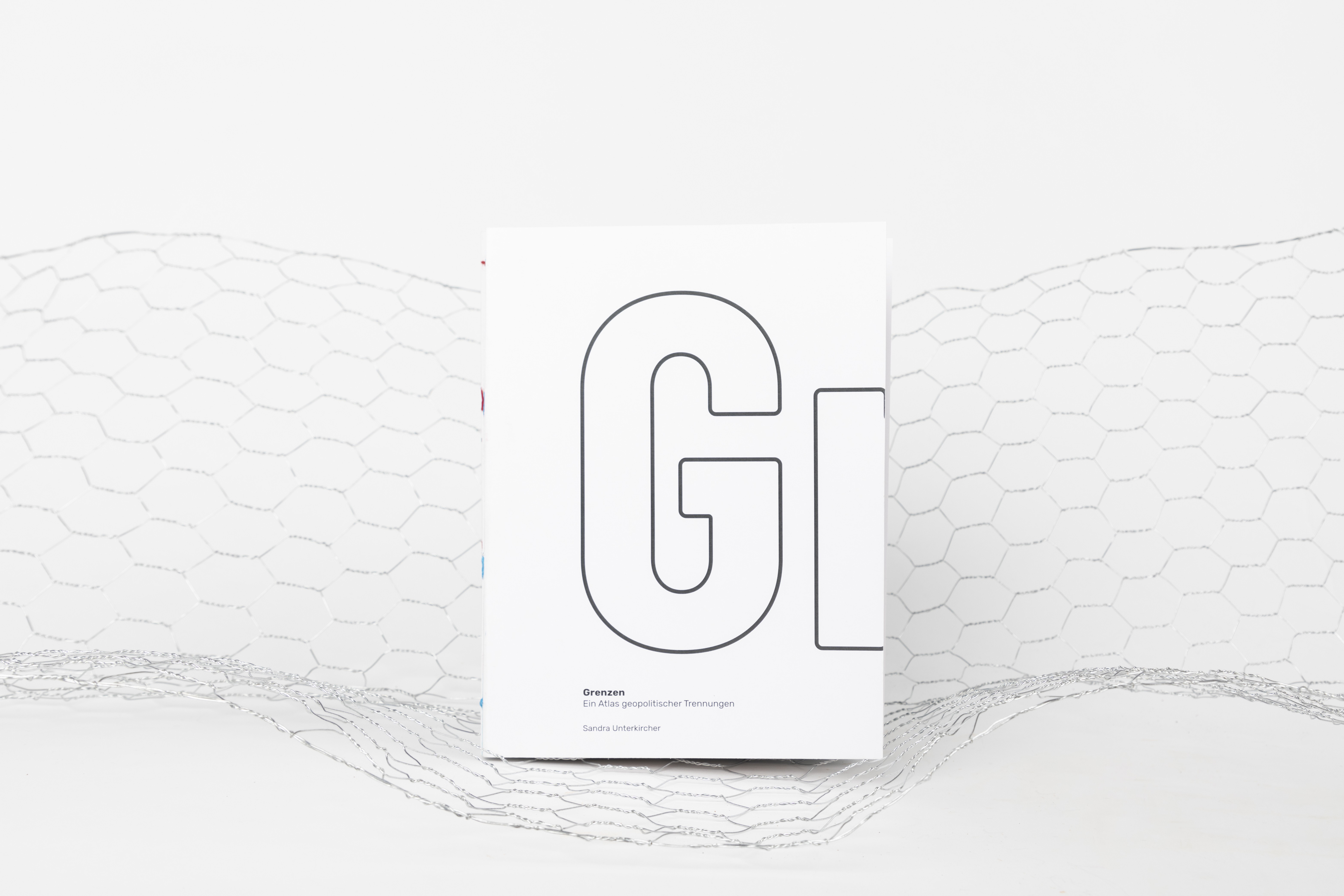
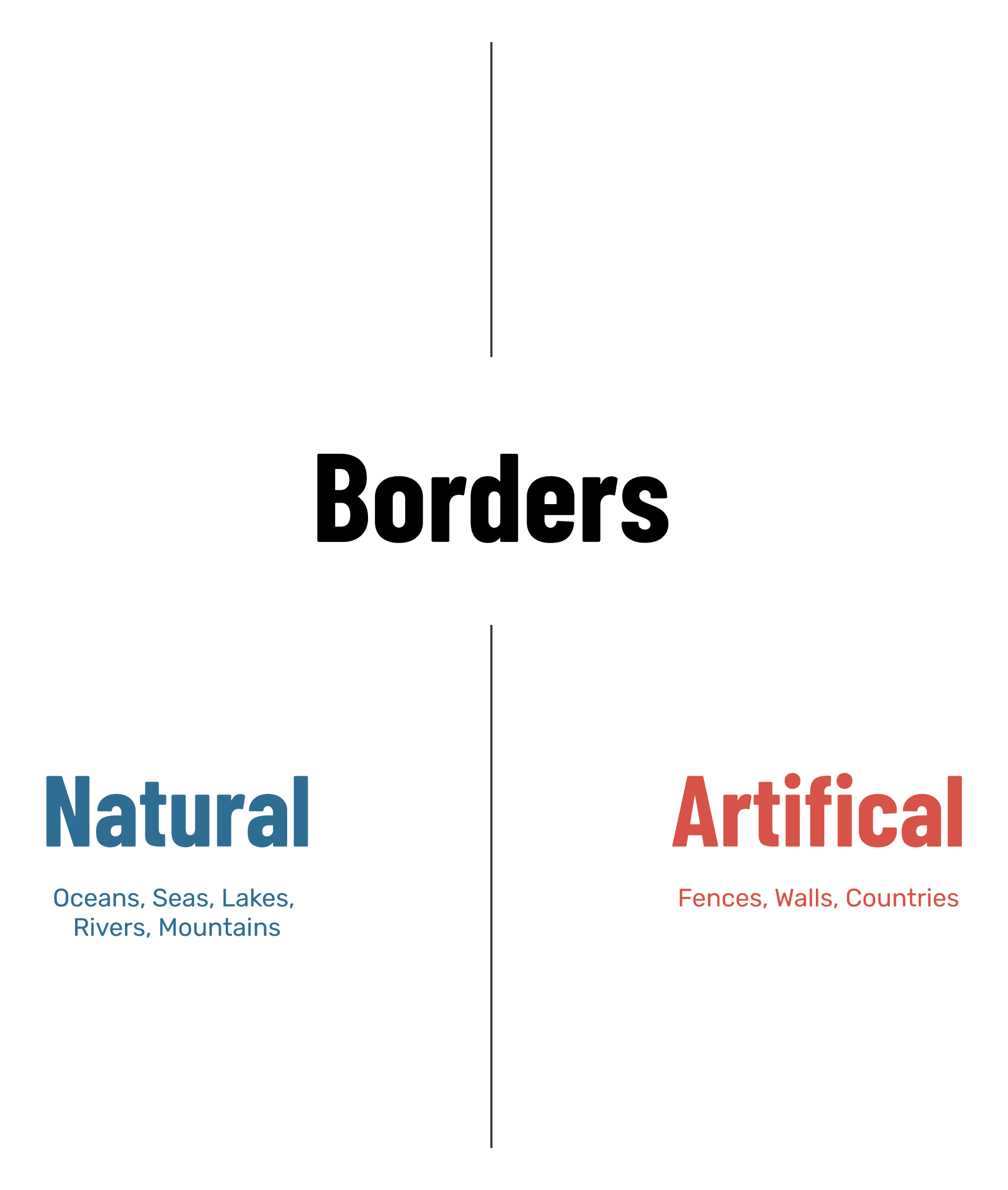
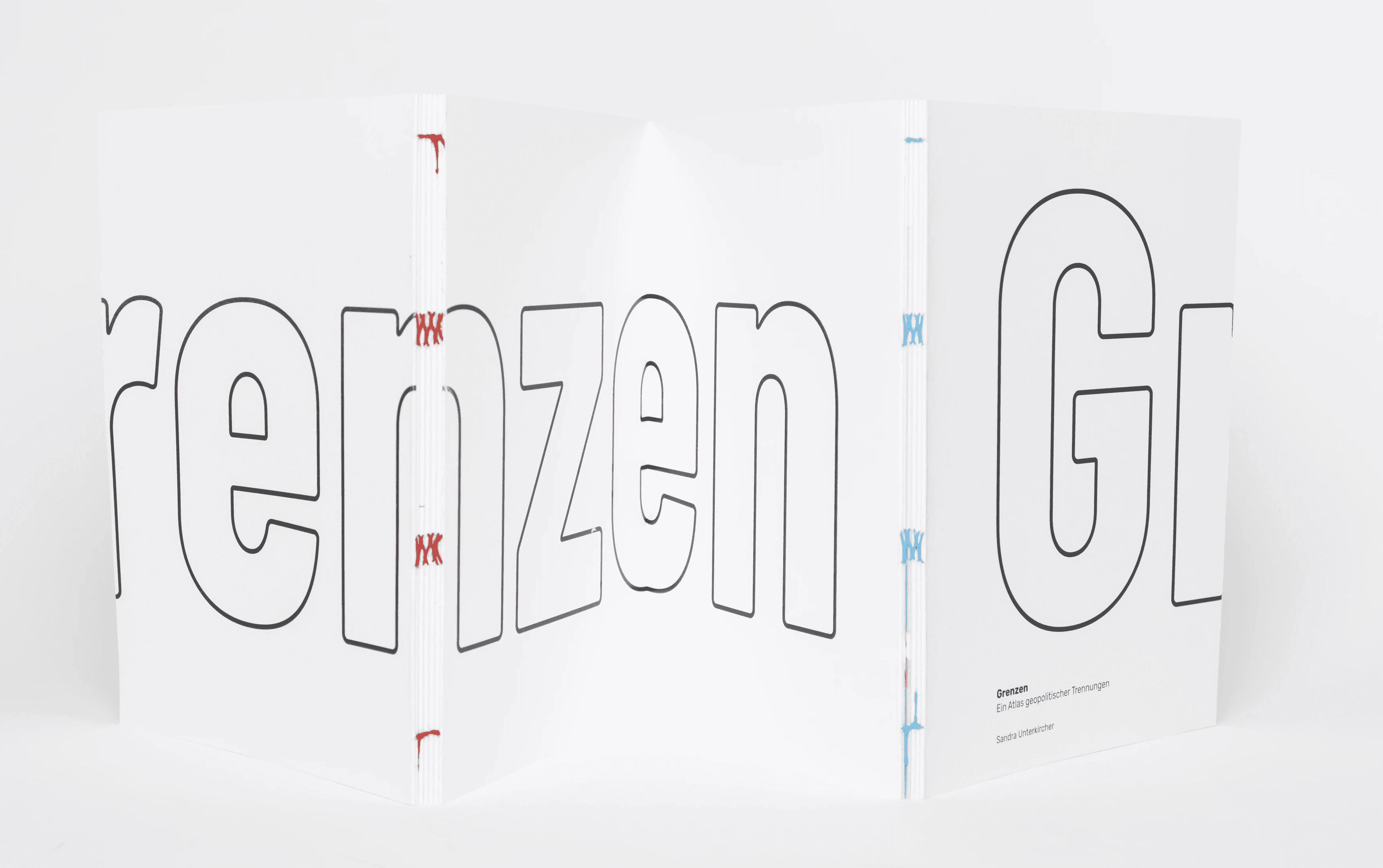
My bachelor project “Grenzen” is dedicated to geopolitical separations. The concept of “natural” and “artificial” borders is reflected in the book and the digital map.
In 2020 the project was given with the bronze IIID Award by the International Institue for Information Design. You can find my submission here.The project was displayed at the Best Of 2019, exhibiton by New Design University. You can find my bachelor presentation slides with more info on fonts, colors, grids etc. here.
New Design University, St. Pölten / 2018
UX Design
UI design
Data Visualisation
User Research
Coding
Inspiration & Process
The idea came to me while crossing the Austrian-German border by foot over a bridge.
This specific border is extremly easy to pass – you barely even notice that you are entering a different country. I started to wonder: how many people, especially in Europe, take it for granted that they can cross borders without issues? How much do they know about borders?
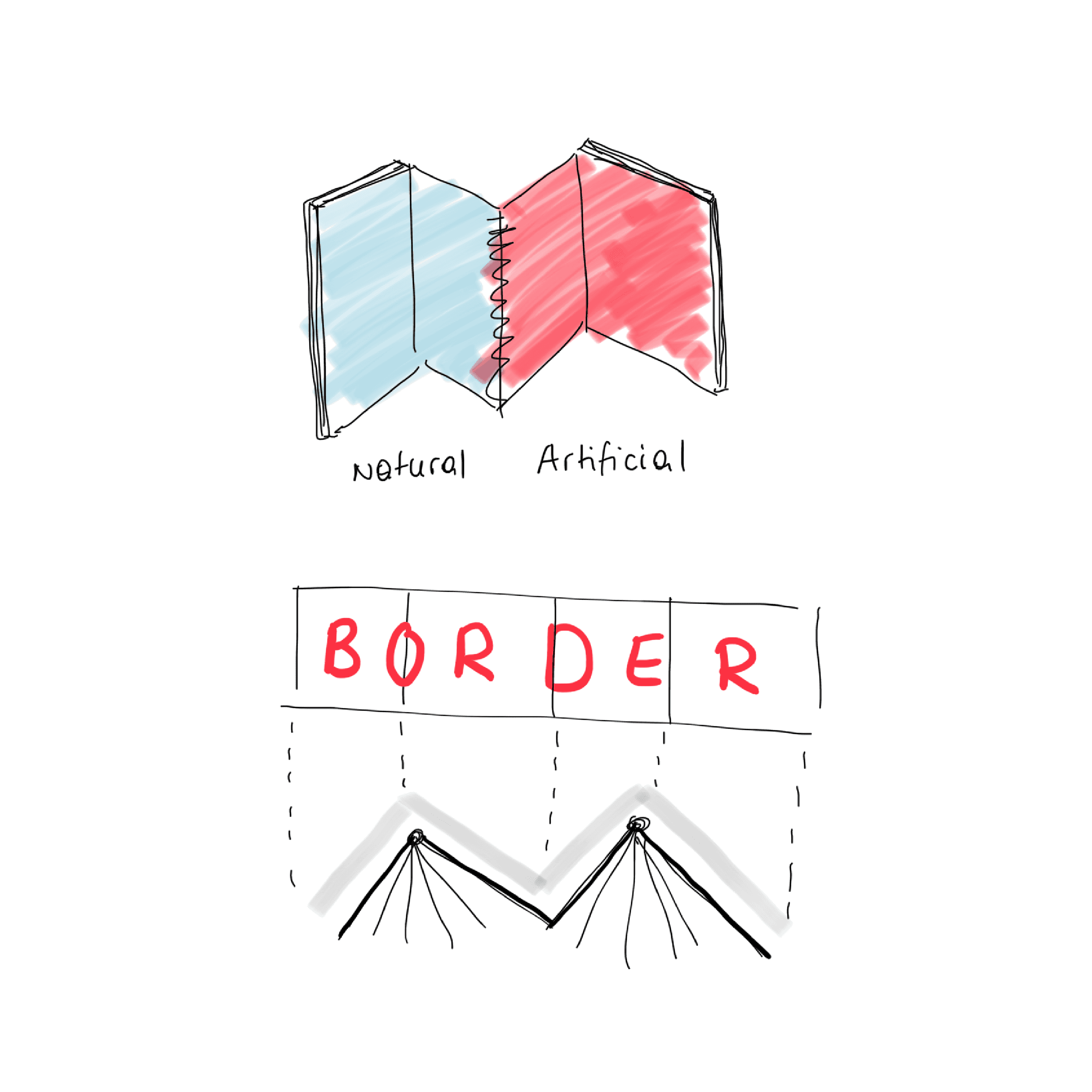
I thought about how I could take the topic of borders even further and incorporate it into my work.
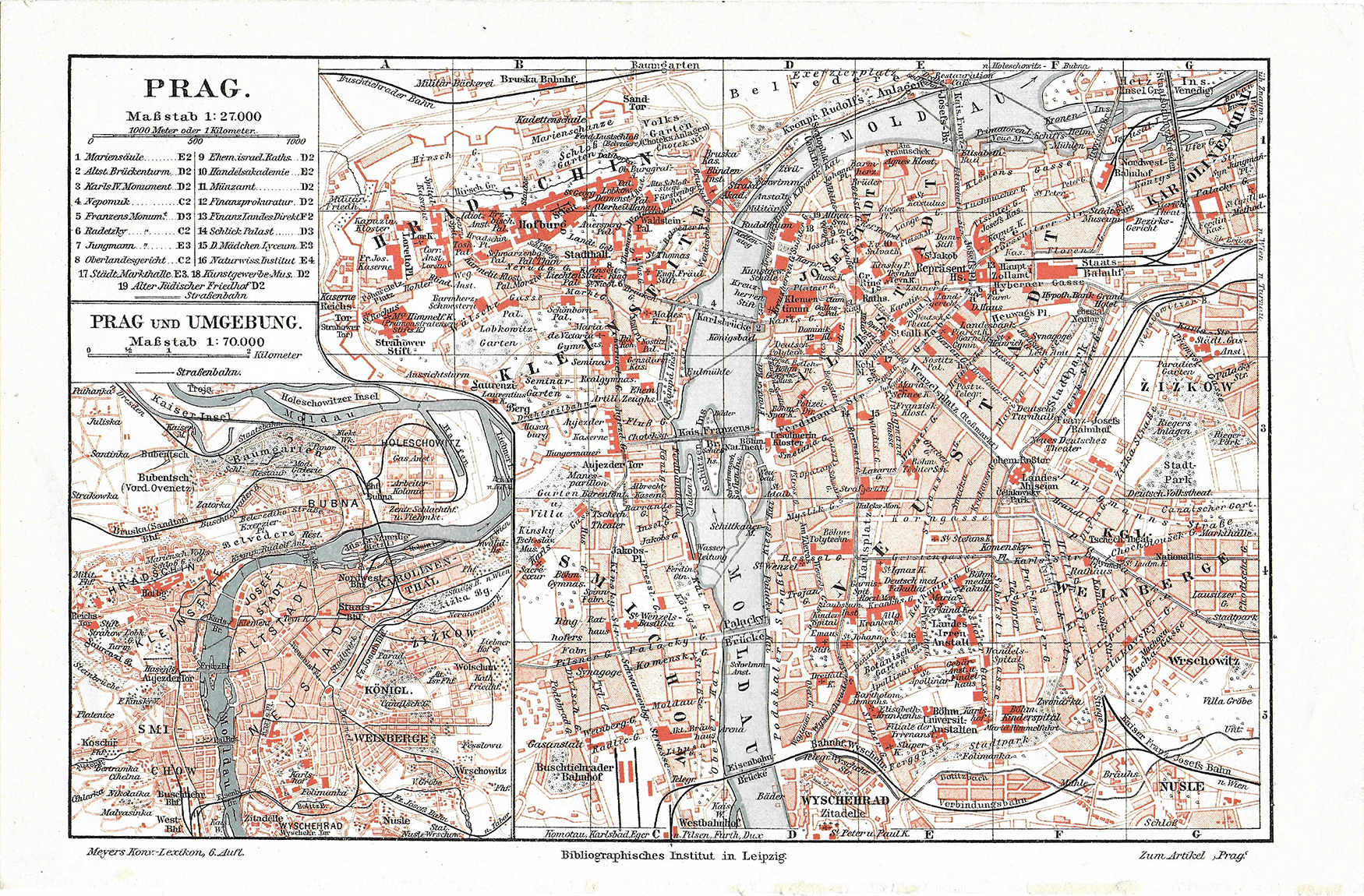
For the look of the project, I was inspired by different kinds of maps.
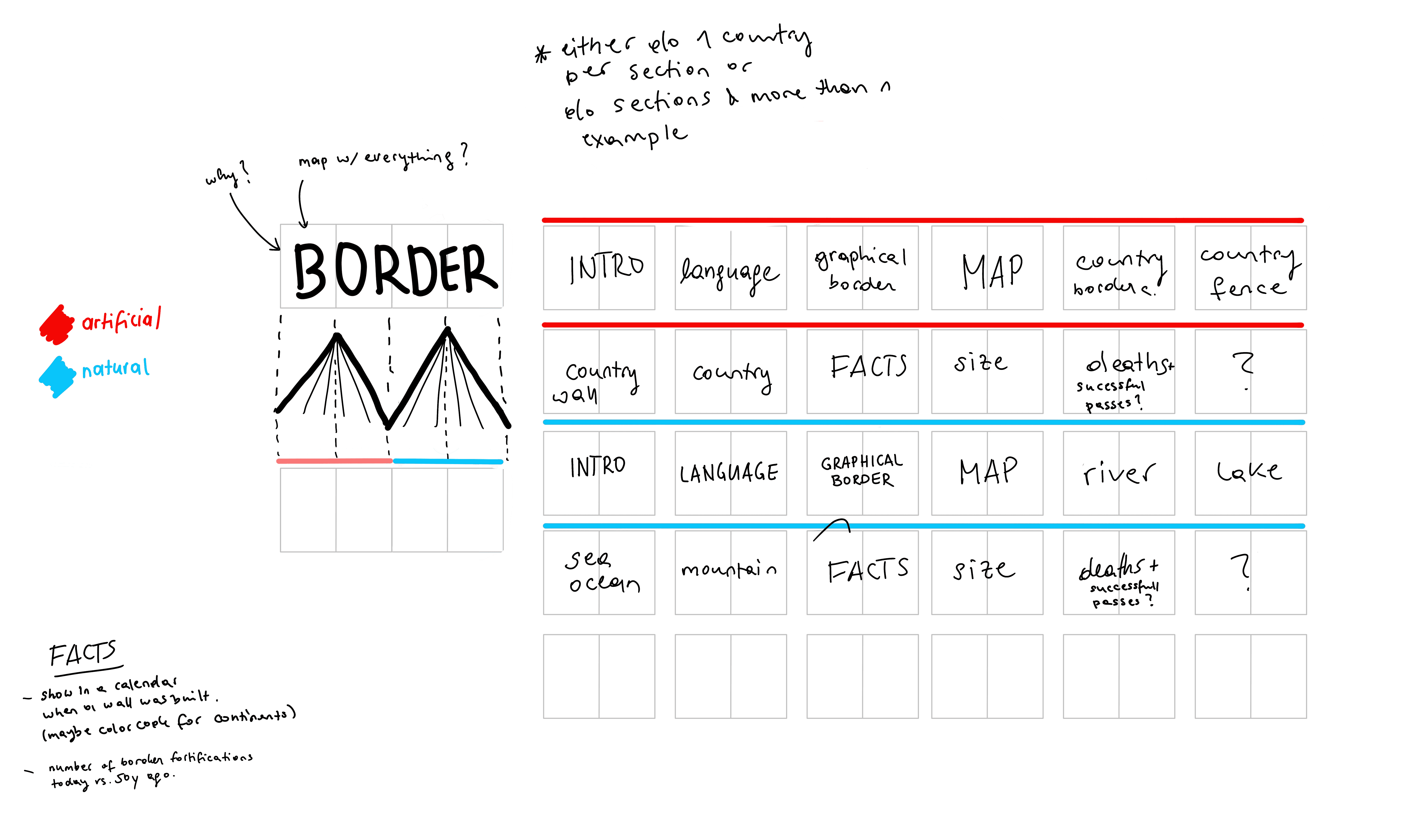
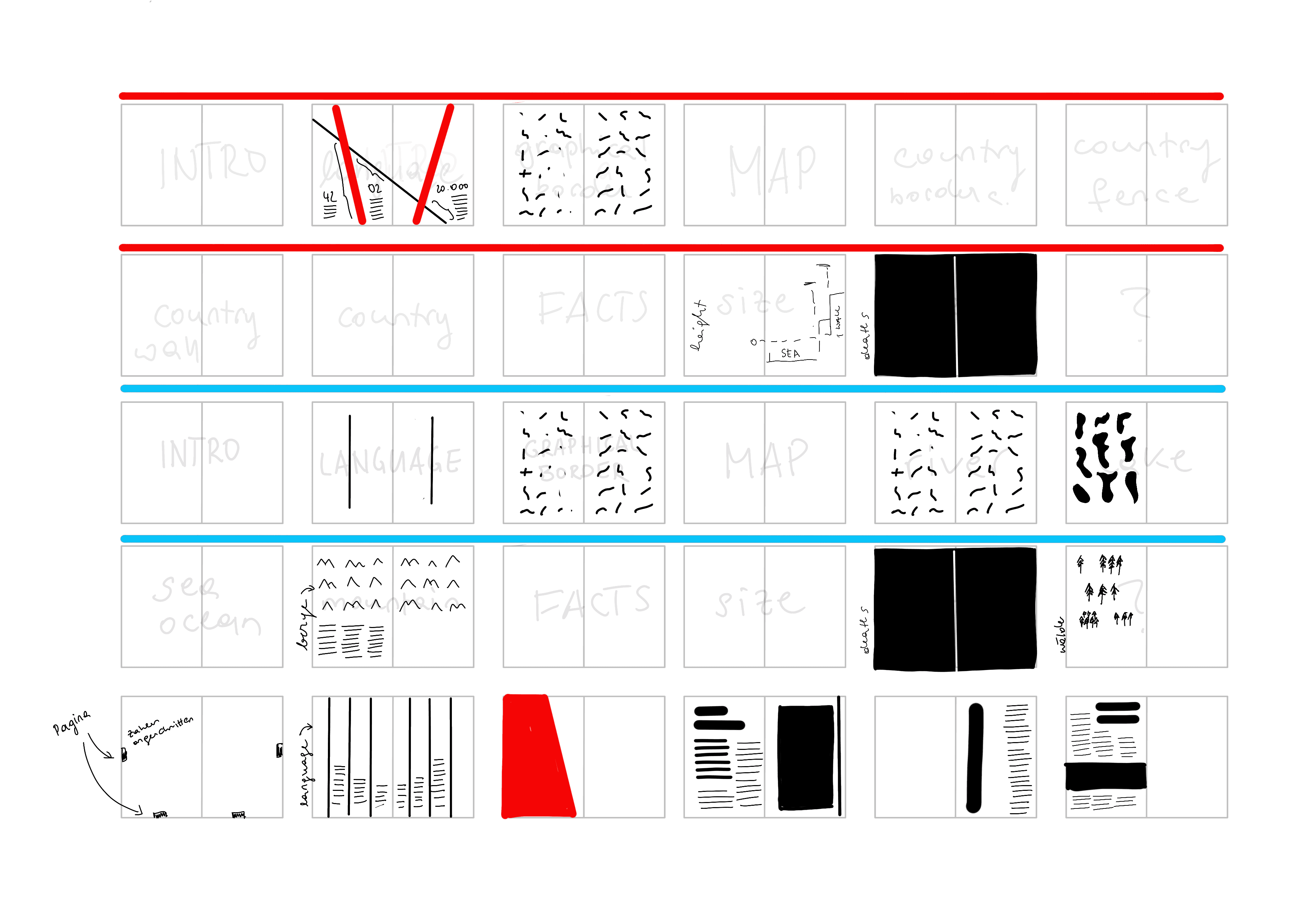
The Book
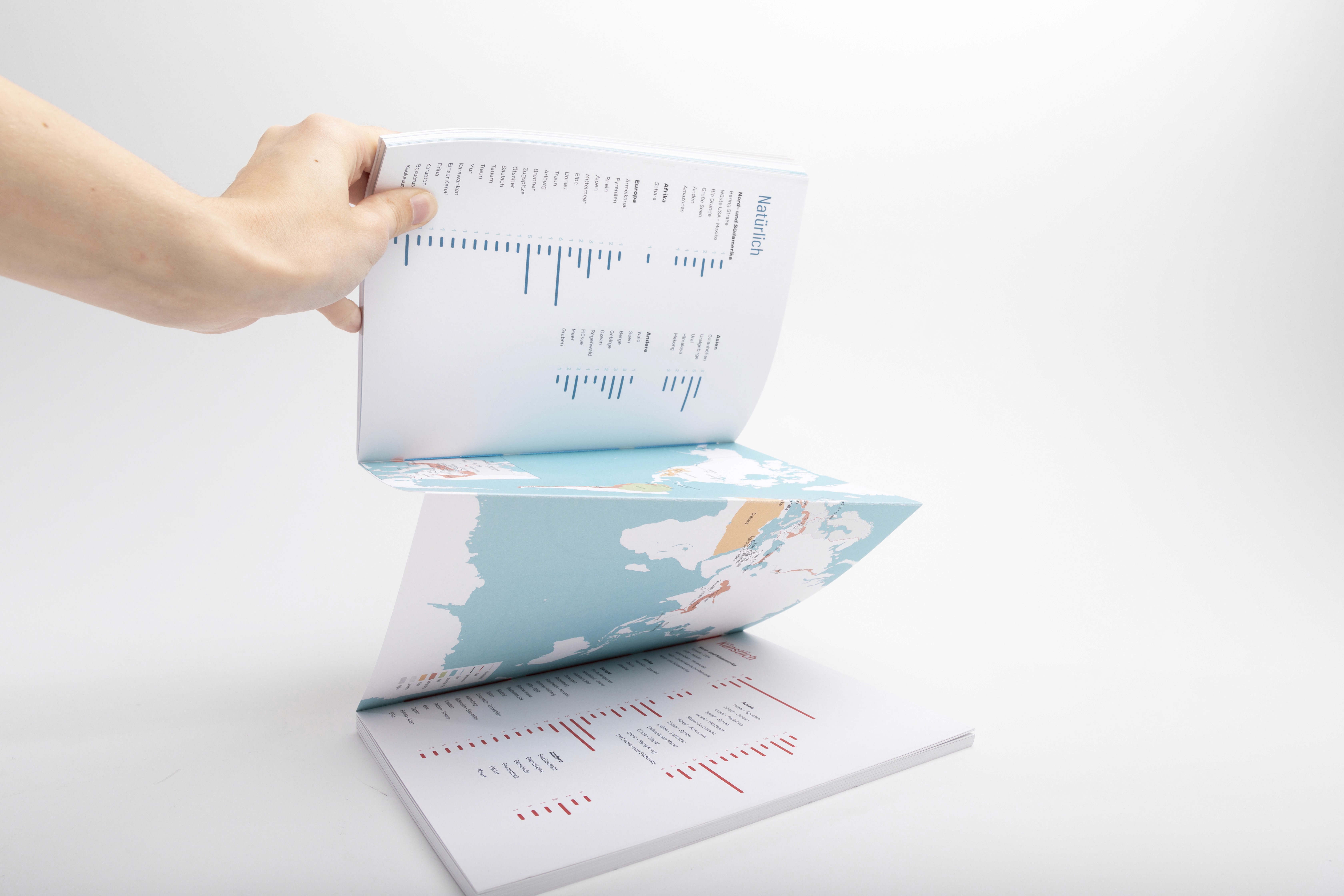
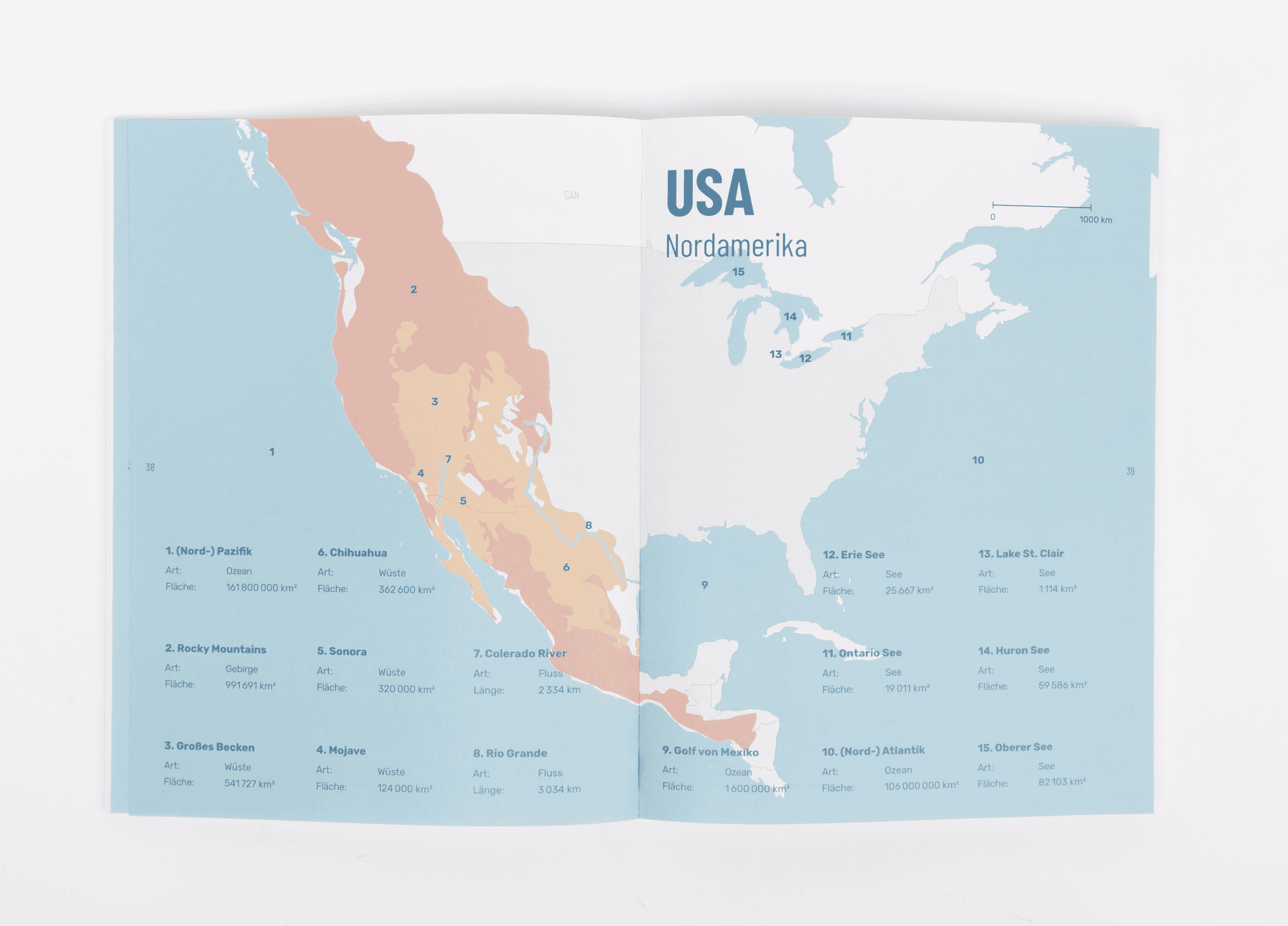
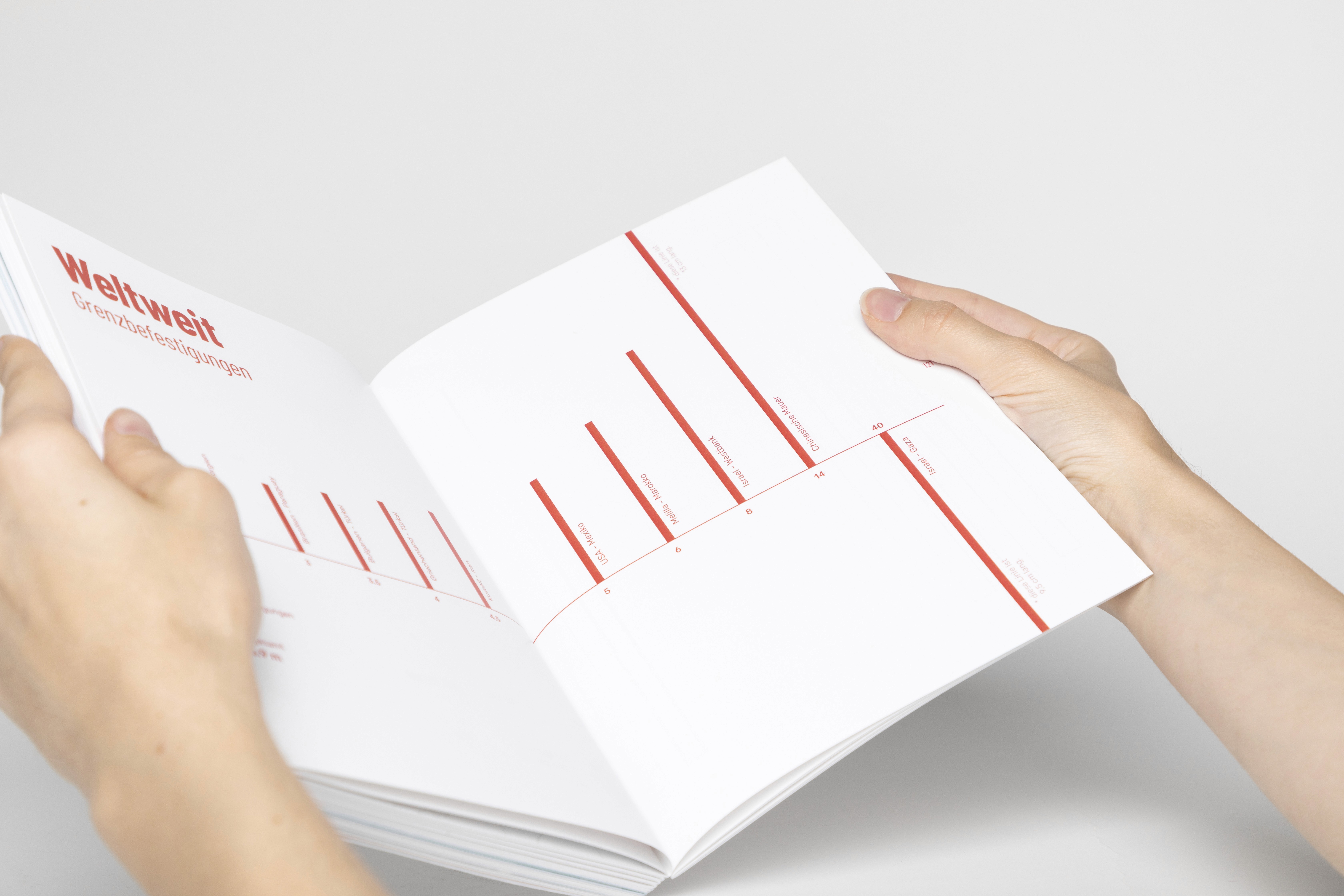
The first part of the book is about “natural borders” (oceans, seas, lakes, rivers, mountains & deserts). The neutral center displays survey results of the question, “Which geographical and political borders do you know”?
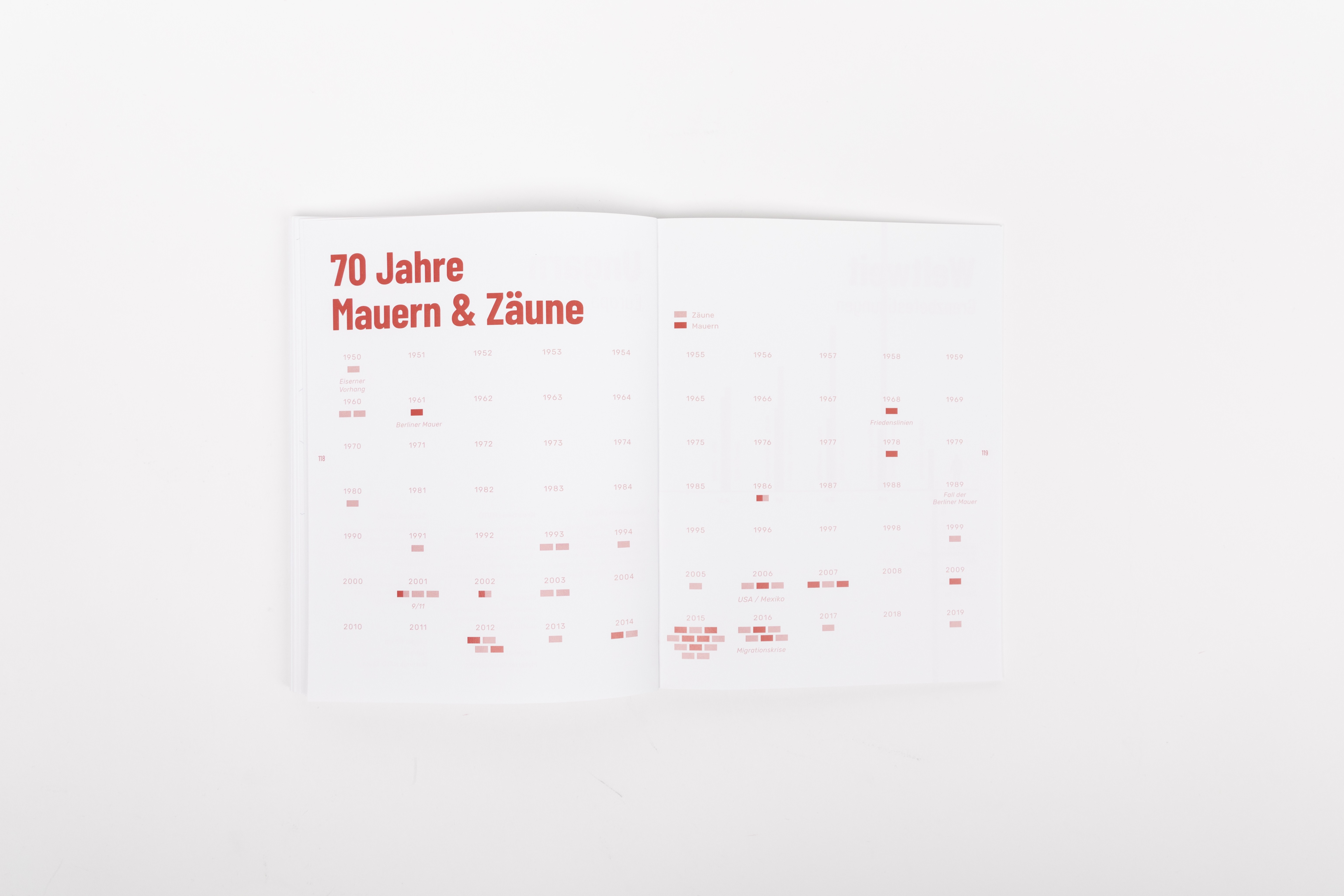
The second part is about “artificial borders” (countries and the fences and walls that fortify them). Different colours and papers clearly separate the topics.

The Digital Map
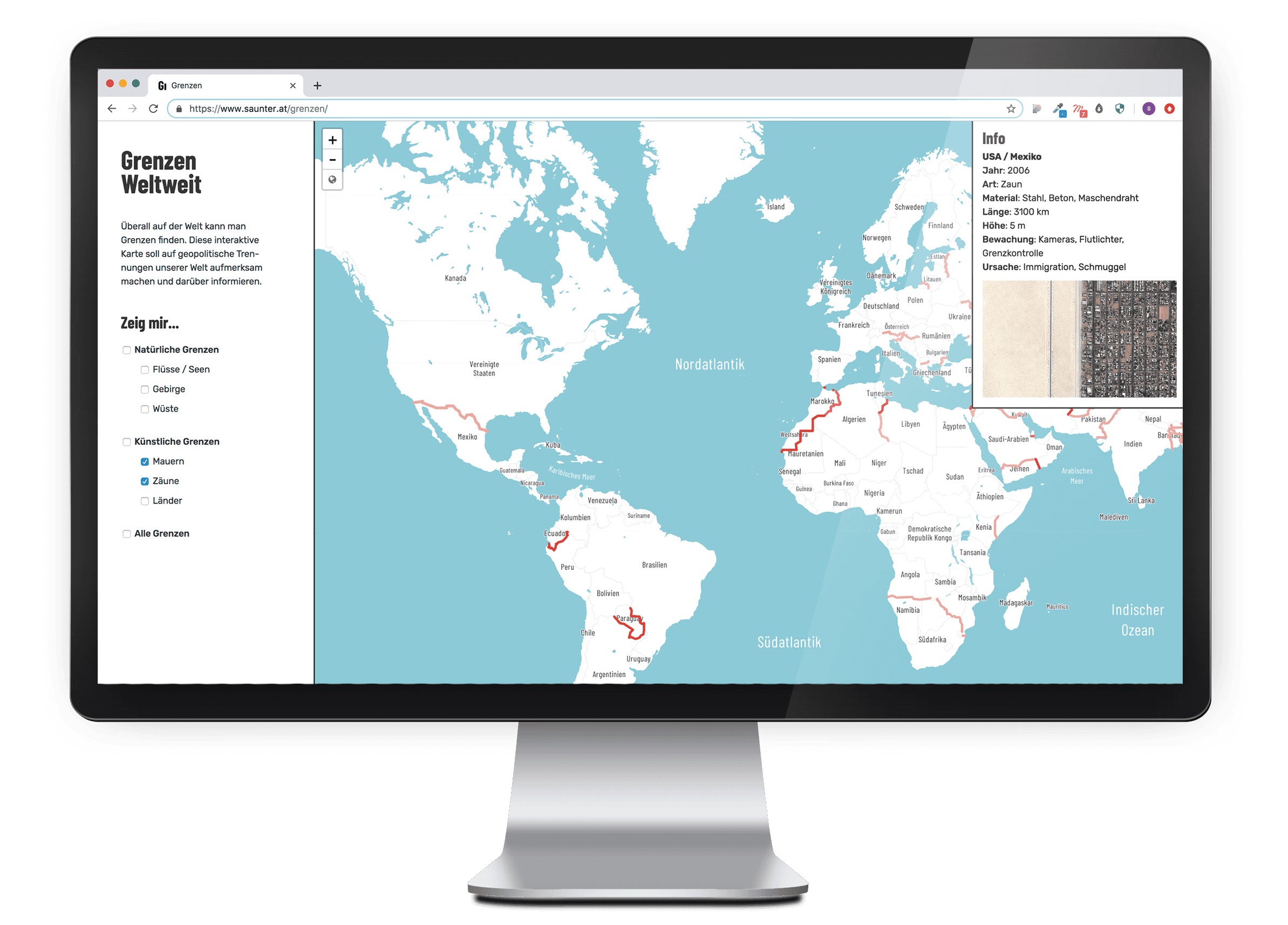
Through the digital map, a more detailed interaction with the topic is made possible.
The user can literally explore the worlds borders by getting information about size, reasons.. and really understanding what the situation looks like through additional images.

UP